

Introduction
In the competitive world of e-commerce, high-quality product images are crucial for attracting customers and driving sales. Traditionally, apparel photography has relied heavily on live models, which can be costly and time-consuming. However, advancements in artificial intelligence (AI) are transforming this landscape, enabling retailers to produce professional apparel photos without the need for human models. This guide explores how AI is revolutionizing apparel photography, offering cost-effective and efficient solutions for e-commerce businesses.
The Traditional Challenges of Apparel Photography
High Costs and Logistics
Organizing a traditional photoshoot involves several expenses, including hiring models, photographers, makeup artists, and renting studio space. Additionally, coordinating schedules and managing logistics can be complex and time-consuming.
- Expense Breakdown: Hiring models and professional teams, renting studios, stylists' costs, and post-production.
- Decision Criteria: Evaluate the frequency of product updates and seasonal launches to determine if traditional methods are sustainable.
Consistency Issues
Maintaining consistency across product images is essential for brand identity. Variations in lighting, model poses, and backgrounds can lead to a disjointed appearance in product catalogs.
- Common Mistakes: Inconsistent lighting, disorganized albums, and varied model posing.
- Standardization Tips: Use pre-set photography guidelines and standardized poses to maintain consistency.
Time Constraints
From planning to execution, traditional photoshoots can take weeks or even months, delaying product launches and updates to the online store.
- Streamlining: Create a timeline with overlapping tasks to reduce lead time, such as pre-designing sets and batch processing edits.
The Rise of AI in Apparel Photography
AI-Powered Virtual Models
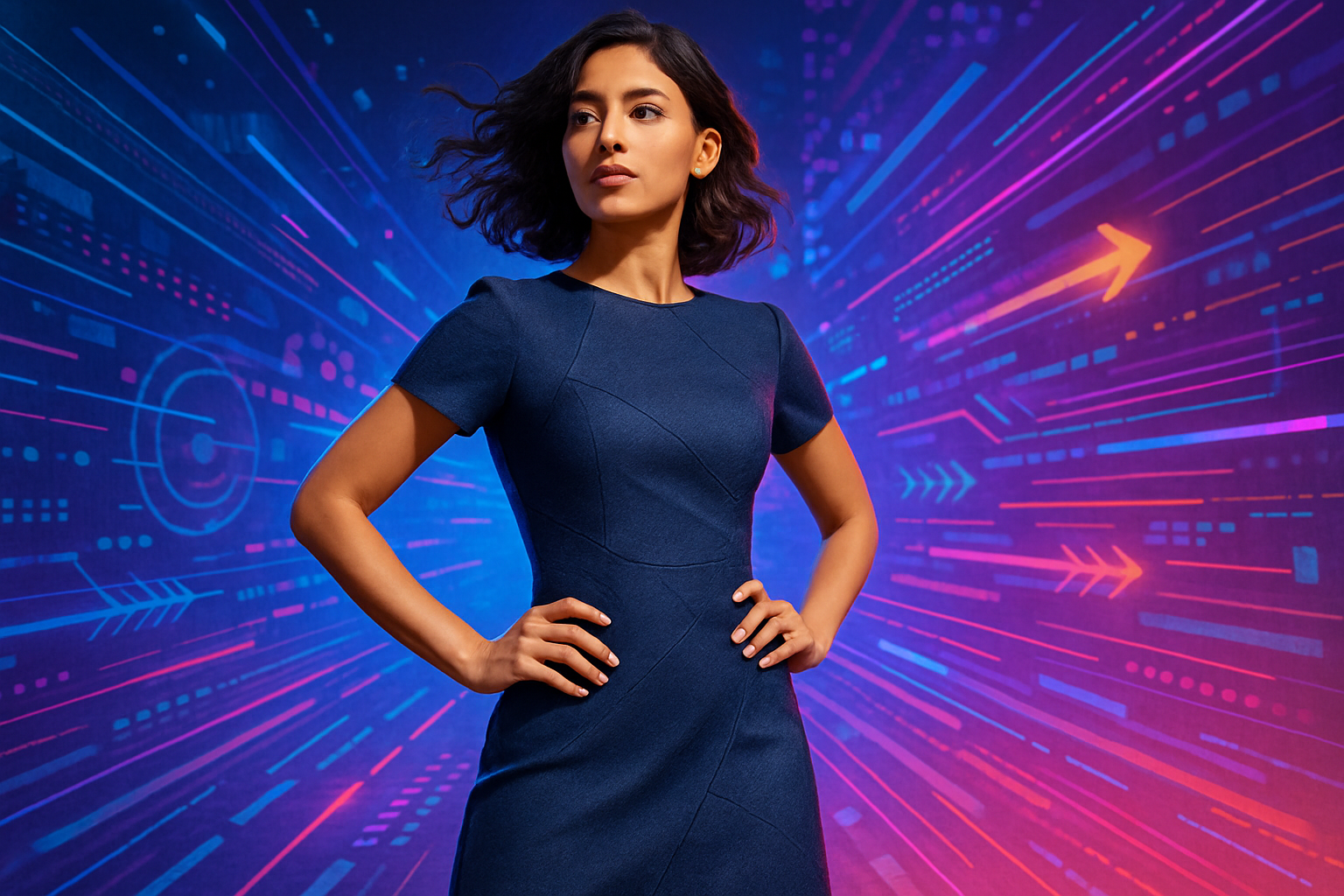
AI technology has enabled the creation of hyper-realistic virtual models that can wear and showcase apparel items.
- Platform Highlight: Platforms like Pixellum focus on clothing and accessories, allowing users to upload garments and choose AI models.
- Benefits: Saves time on model casting, minimizes retakes due to health or availability issues of human models.
Rapid Image Generation
AI-driven platforms can generate multiple images in minutes, significantly reducing the time required for product photography.
- Example: FashionShoot.ai boasts a processing time of just three seconds per image.
- Practical Use Case: Use AI platforms to quickly adapt to seasonal trends and inventory changes.
Cost Efficiency
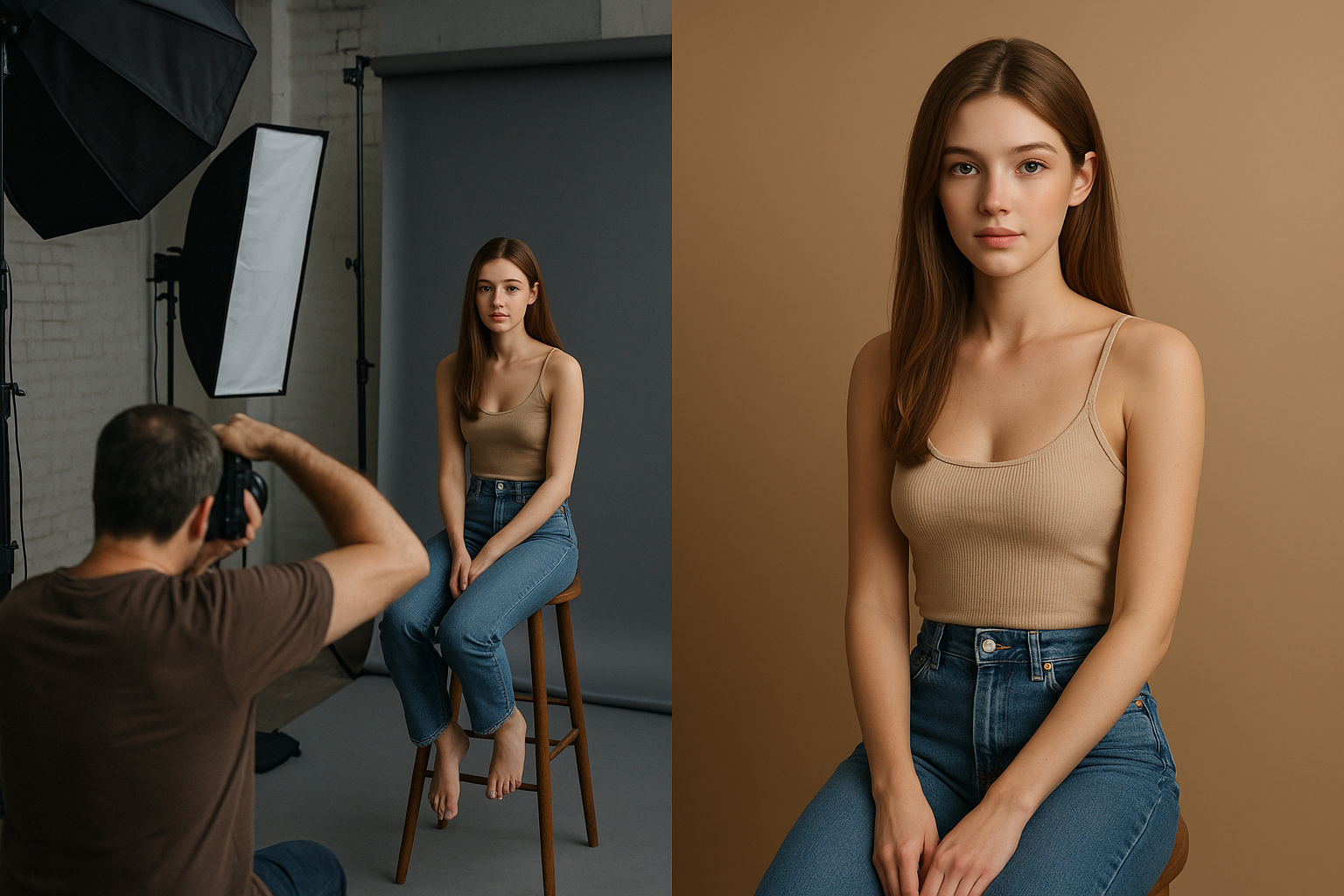
By eliminating the need for physical models and studio setups, AI solutions offer substantial cost savings.
- Cost Comparison: Compare the long-term costs of traditional photoshoots versus subscription fees for AI platforms like Virtual Finery.
How AI Apparel Photography Works
Step 1: Uploading Garment Images
Retailers begin by uploading images of their apparel items. These can be flat lays, hanger shots, or even photos of garments on mannequins. AI platforms are designed to interpret these images accurately.
- Practical Tip: Ensure images are captured with a neutral background and consistent lighting.
Step 2: Selecting Virtual Models and Settings
Users can choose from a diverse range of AI-generated models that vary in body types, ethnicities, and styles.
- Customization: Adjust virtual model appearances and stylistic settings to align with your brand's target audience.
- Marketplace Advice: Choose models that resonate with your key demographics, enhancing customer relatability.
Step 3: Generating and Refining Images
Once the preferences are set, the AI processes the inputs to generate high-resolution images.
- Editing Tools: Many platforms offer tools for further refining output images to ensure brand consistency.
Benefits of AI-Driven Apparel Photography
Scalability
AI solutions enable retailers to scale their product photography efforts effortlessly.
- Convenience for Growth: Easily update small and large catalogs without large investments in new photo shoots.
Consistency
AI platforms ensure uniformity in lighting, model poses, and backgrounds, providing a cohesive visual experience.
- Brand Impact: Consistent imagery reinforces brand identity and trust among customers.
Speed to Market
The rapid turnaround time of AI-generated images allows retailers to launch new products faster.
- Competitive Edge: Quickly adapt to new trends and competitor moves in the marketplace.
Implementing AI Apparel Photography: A Checklist
To successfully integrate AI-driven photography into your e-commerce operations, consider the following steps:
- Evaluate Your Needs:
- Determine the volume of products requiring photography.
- Assess the diversity needed in models and backgrounds.
- AI fashion model photos
- Research AI Platforms:
- Explore options like Pixellum, FashionShoot.ai, and Virtual Finery.
- Compare features, pricing, and user reviews.
- Prepare High-Quality Garment Images:
- Ensure images are clear and well-lit.
- Use neutral backgrounds to facilitate accurate AI processing.
- Customize Settings:
- Select virtual models that align with your brand's target audience.
- Choose appropriate backgrounds and lighting to match your brand aesthetics.
- Review and Edit Outputs:
- Examine generated images for accuracy and quality.
- Utilize editing tools provided by the platform for any necessary adjustments.
- Integrate into Your Workflow:
- Develop a process for regularly updating product images using AI.
- Train your team on using the chosen AI platform effectively.
Addressing Potential Concerns
Authenticity and Customer Trust
While AI-generated images are highly realistic, some customers may question their authenticity.
- Transparency: Clearly indicate when images are AI-generated.
- Supplementary Content: Provide additional images or videos of the actual product.
Ethical Considerations
Ensure that the AI models used are diverse and inclusive, representing a broad spectrum of body types, ethnicities, and styles.
- Social Responsibility: This approach promotes inclusivity and resonates with wider audiences.
Future Trends in AI Apparel Photography
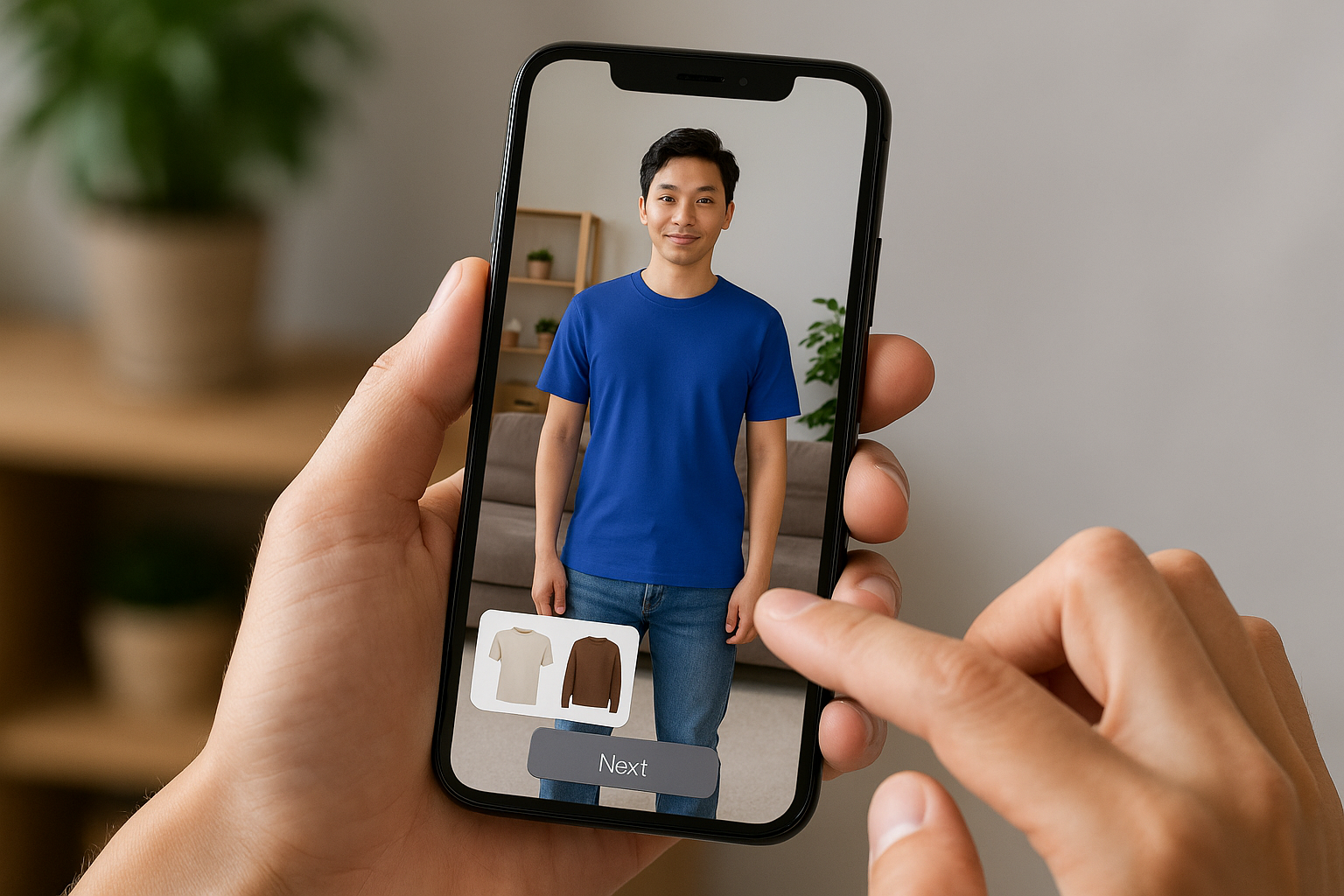
Integration with Virtual Try-On Technology
Advancements in AI are paving the way for virtual try-on experiences, allowing customers to see how garments would look on them.
- Emerging Solutions: Platforms like Nokkh advance this technology, potentially reducing return rates.
Enhanced Customization
Future AI solutions may offer even greater customization options, enabling brands to create unique and personalized images that align closely with their marketing strategies.
Frequently Asked Questions (FAQ)
Q: How accurate are AI-generated apparel images?
A: AI-generated images capture fine details like fabric texture and color. However, it's essential to review each image to ensure it meets your quality standards.
Q: Can AI handle complex garments like layered outfits or accessories?
A: Yes, advanced AI platforms are capable of accurately representing complex garments and accessories.
Q: Is AI photography effective for all types of apparel?
A: While generally effective, it is crucial to test AI systems on your specific apparel categories to gauge suitability.
Q: How can I start integrating AI into my existing workflow?
A: Begin by evaluating your photo needs, researching platforms, and ensuring your team is trained. Consider starting with Create product photos for comprehensive guidance.
Conclusion
AI is set to revolutionize apparel photography by offering scalable, cost-effective, and rapid solutions for e-commerce retailers. By embracing AI technology, businesses can improve their product imagery, enhance brand consistency, and gain a competitive edge in the fast-paced world of online retail.