
Introduction
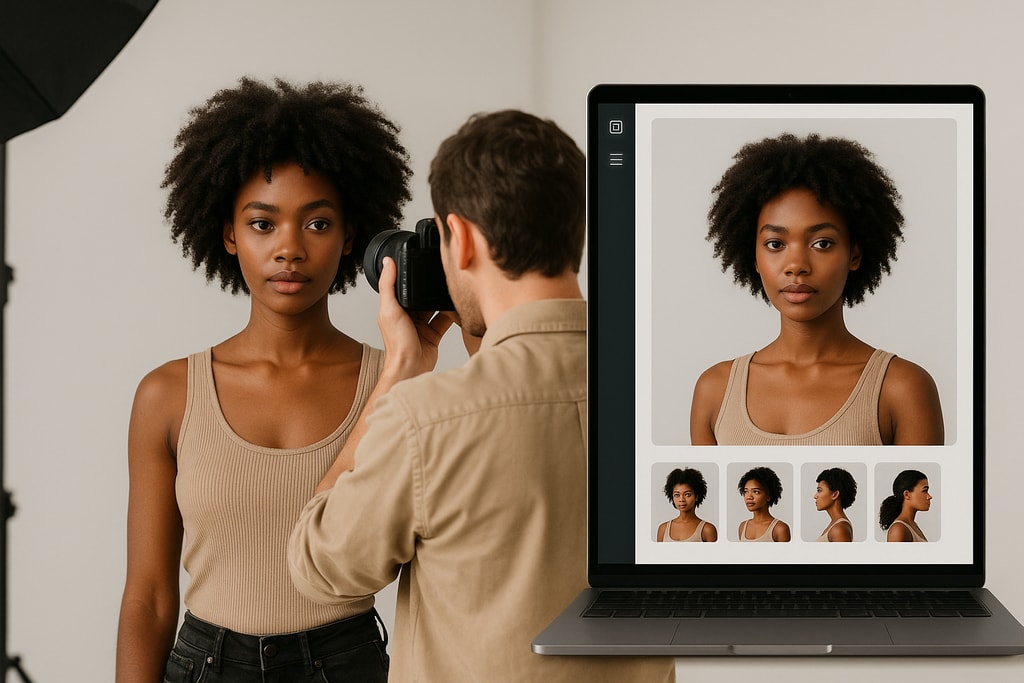
In the rapidly evolving world of e-commerce, compelling product imagery is crucial for capturing customer attention and driving sales. Traditionally, achieving high-quality fashion photos required extensive resources: hiring models, booking studios, and coordinating complex photoshoots. However, advancements in artificial intelligence (AI) are revolutionizing this process, enabling sellers to generate professional on-model images without the traditional logistical challenges.
The Rise of AI in Fashion Photography
What Is AI Fashion Photography?
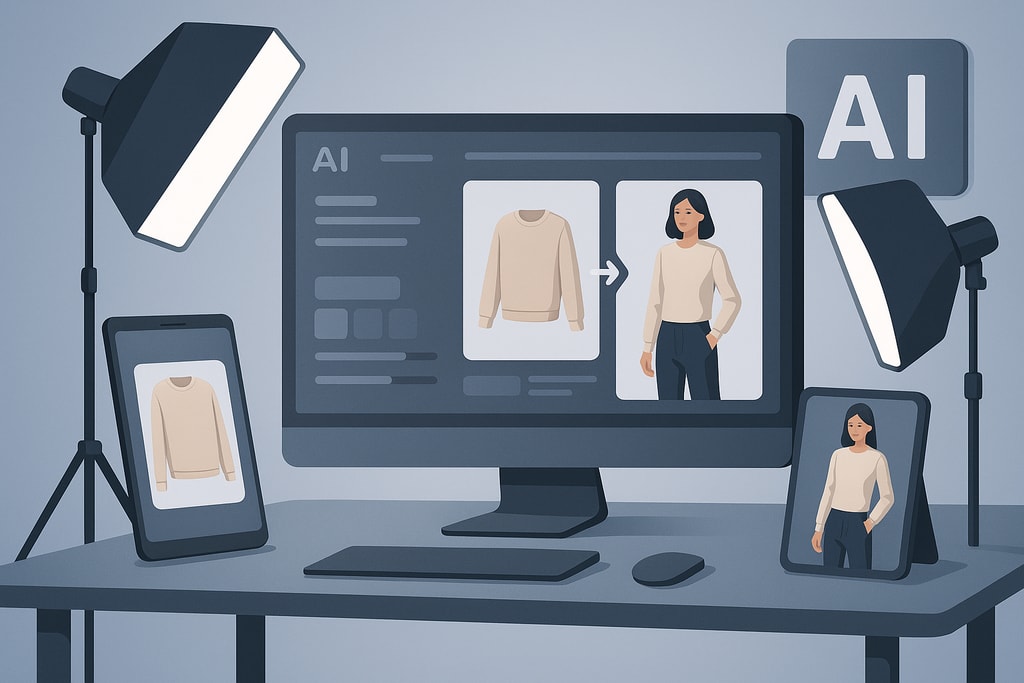
AI fashion photography leverages generative AI models to create realistic on-model images from existing product photos, such as flat lays or ghost mannequin shots. This technology analyzes garment details—fabric texture, drape, color—and generates images that accurately represent how the clothing would look on a human model. (jinkomage.com)
Benefits Over Traditional Methods
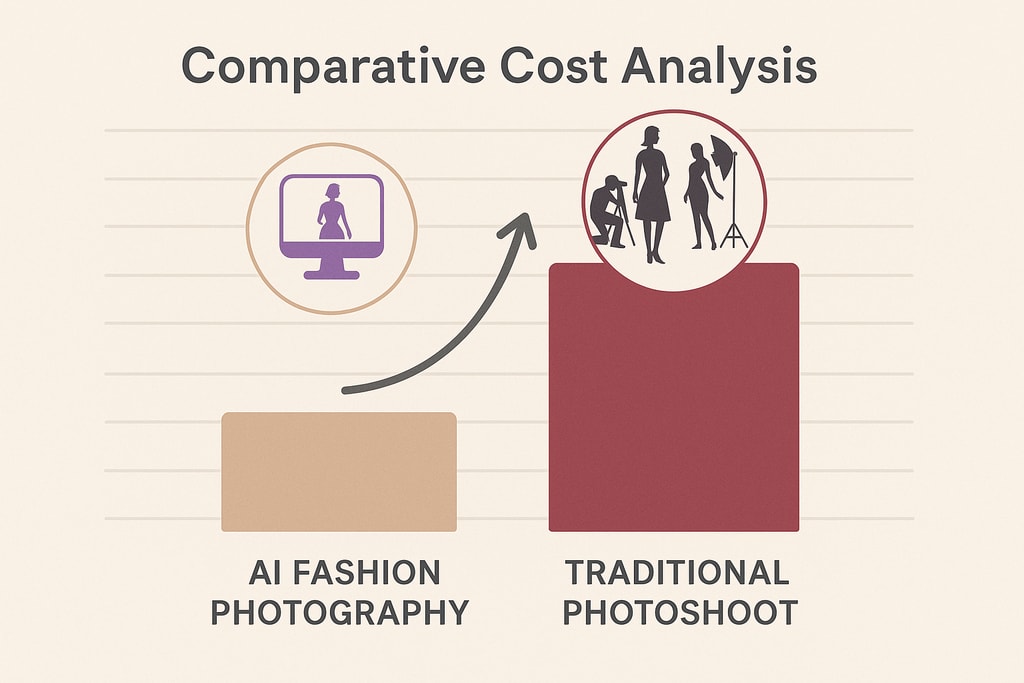
- Cost Efficiency: Traditional photoshoots can be prohibitively expensive, often costing thousands of dollars per session. AI-generated imagery significantly reduces these expenses, with some brands reporting cost reductions of up to 95%. (style3d.com)
- Time Savings: Coordinating a traditional photoshoot can take weeks. In contrast, AI-generated images can be produced within hours, accelerating time-to-market for new products. (jointellos.com)
- Scalability: AI allows for the rapid creation of multiple images across various styles and demographics, enabling brands to cater to diverse audiences without additional shoots.
Implementing AI Fashion Photography in E-Commerce
Step-by-Step Guide
- Prepare Your Product Images: Start with high-quality flat lay or ghost mannequin photos of your garments. Ensure that the images are well-lit and showcase the product's details clearly.
- Choose an AI Photography Service: Select a reputable AI fashion photography platform that aligns with your brand's needs. Services like ProdShot offer user-friendly interfaces and customizable options.
- Configure Model Preferences: Define the demographics, poses, and backgrounds that best represent your target audience. This customization ensures that the generated images resonate with your customers.
- Generate and Review Images: Upload your product photos to the AI platform and generate the on-model images. Review the outputs to ensure they meet your quality standards and make any necessary adjustments.
- Integrate into Your E-Commerce Platform: Once satisfied with the images, upload them to your product listings, ensuring they are optimized for your specific e-commerce platform's requirements.
Decision Criteria
- Platform Compatibility: Ensure the AI service easily integrates with your existing e-commerce platform.
- Customization Features: Look for platforms offering diverse model demographics and poses.
- Ease of Use: Select a user-friendly interface if your team lacks technical expertise.
Mistakes to Avoid
- Neglecting Quality Control: Always review AI-generated images for accuracy and brand alignment.
- Ignoring Audience Feedback: Continuously collect customer insights to refine and adapt imagery.
AI's Role Beyond Model Photography
While AI-generated on-model images are a significant advancement, AI's capabilities in fashion photography extend further:
- Virtual Try-Ons: AI enables customers to visualize how garments will look on their own bodies, enhancing the online shopping experience and reducing return rates. (digitalcitizen.life)
- Automated Image Editing: AI tools can perform tasks like background removal, color correction, and retouching, streamlining the post-production process. (rawshot.ai)
- Content Personalization: AI can generate personalized marketing materials by creating images that cater to individual customer preferences, increasing engagement and conversion rates.
Marketplace-Specific Advice
- For Fast Fashion Retailers: Leverage the speed of AI to rapidly produce on-trend images that mirror current fashion cycles.
- Luxury Brands: Focus on high-resolution images to emphasize fabric quality and details.
- Niche Markets: Customize models to reflect specific audiences and enhance relatability.
Checklist: Preparing for AI Fashion Photography

| Task | Description | |—|—| | High-Quality Product Photos | Ensure clear, well-lit images of your garments. | | Define Target Demographics | Specify the age, gender, and style preferences of your audience. | | Select AI Service | Choose a platform that offers the features and customization you need. | | Review Outputs | Assess the generated images for accuracy and appeal. | | Optimize for Platform | Ensure images meet the specifications of your e-commerce site. |
Frequently Asked Questions
Q: How accurate are AI-generated fashion images?
A: AI-generated images have become highly realistic, accurately depicting fabric textures, colors, and fits. However, it's essential to review each image to ensure it meets your brand's standards.
Q: Can AI-generated images be used across all e-commerce platforms?
A: Yes, but it's important to ensure that the images comply with the specific requirements of each platform, such as image dimensions and background preferences.
Q: Is AI fashion photography suitable for all types of garments?
A: AI is particularly effective for standard clothing items. However, for highly intricate designs or unique fabrics, additional customization may be necessary to achieve optimal results.
Q: How does AI handle diverse body types and sizes?
A: Most AI platforms allow customization for different body types, but it's crucial to choose a platform with strong capabilities in this area for accurate representation.
Q: What should I look for in a platform for AI fashion photography?
A: Consider factors like cost, integration ease, customization options, and the quality of image outputs when selecting an AI photography service.
Sources and Further Reading
- AI On-Model Photography | No Studio | Jinkō-Mage
- AI Fashion Photoshoot: How Brands Create Studio-Quality Images Without a Shoot | Tellos
- Is AI Formally Replacing Physical Fashion Photography Processes? – Style3D Blog
- AI Fashion Photography Basics
- AI Fashion Model Photos
- Free Product Photo Tools
Conclusion
AI is transforming the landscape of fashion photography, offering e-commerce sellers innovative solutions to create high-quality on-model images efficiently and cost-effectively. By embracing AI-powered tools like ProdShot, sellers can enhance their product presentations, appeal to a broader audience, and stay competitive in the dynamic online marketplace.
For sellers looking to dive deeper into AI fashion model photography, exploring available free product photo tools can be a great starting point for refining your approach to product imagery.