Introduction
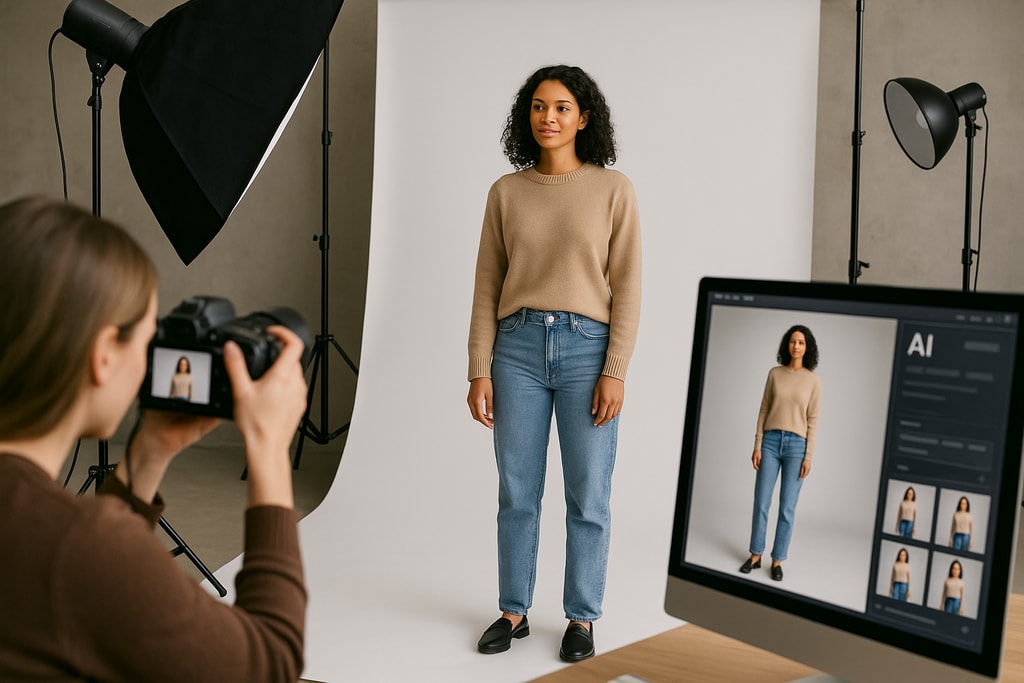
In the ever-evolving e-commerce industry, compelling product imagery stands as a cornerstone for capturing consumer interest and driving sales. Traditionally, high-quality fashion photography demands substantial investment in models, photographers, studios, and post-production. With AI-generated fashion models entering the scene, apparel retailers now have access to a cost-effective, scalable alternative that challenges conventional photoshoot practices.
The Rise of AI in Fashion Photography
What Are AI-Generated Fashion Models?
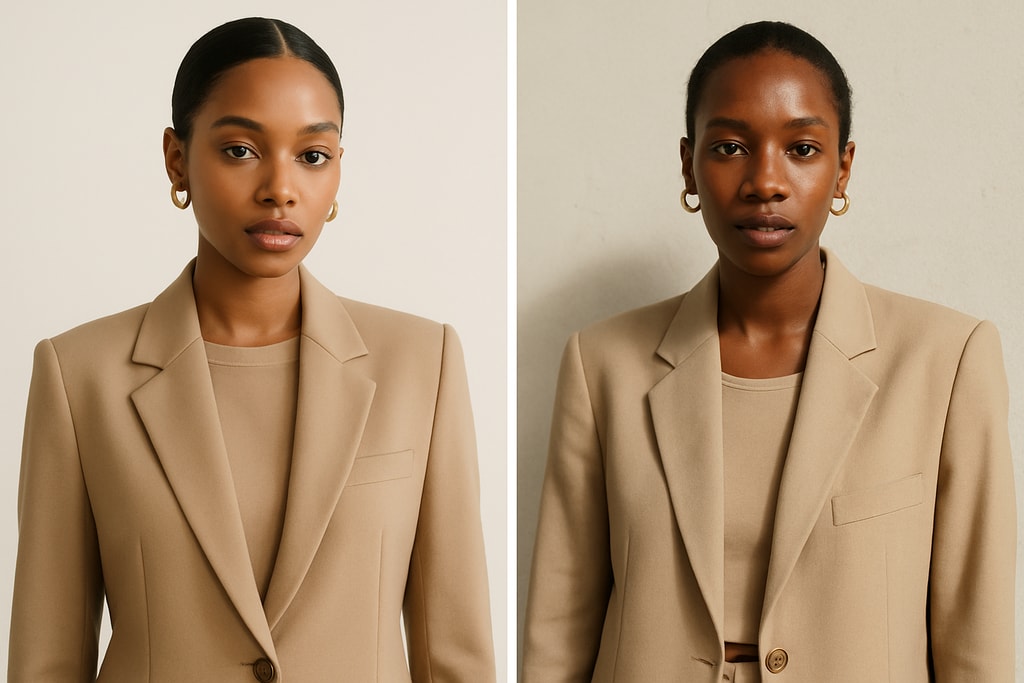
AI-generated fashion models are digitally created avatars designed to imitate real human models and showcase clothing photorealistically. Advanced machine learning algorithms analyze vast datasets to create lifelike representations, allowing retailers to customize diverse models without the logistical strain of traditional photoshoots.
Adoption by Major Fashion Brands
Leading brands have embraced AI-generated models to streamline marketing efforts. H&M launched its first AI-driven campaign in July 2025, featuring 30 AI models developed over several months, enabling global ad campaigns and reducing costs. Zara and Mango have also integrated AI imagery, with Mango leading this innovation in July 2024. These brands report dramatic reductions in production times and costs, as seen with Zalando shifting 70% of its imagery to AI, cutting production time by 90%.
Benefits of AI Fashion Model Photography
Cost Efficiency
The expenses associated with traditional photography—model fees, photographers, and studio rentals—can be hefty. AI models eliminate many of these costs, providing high-quality imagery at a significantly reduced price.
Scalability and Speed
AI facilitates rapid image generation, expediting product launches and updates. This allows retailers to maintain image consistency across diverse product lines, particularly beneficial for brands with extensive catalogs or seasonal collections.
Enhanced Diversity and Inclusion
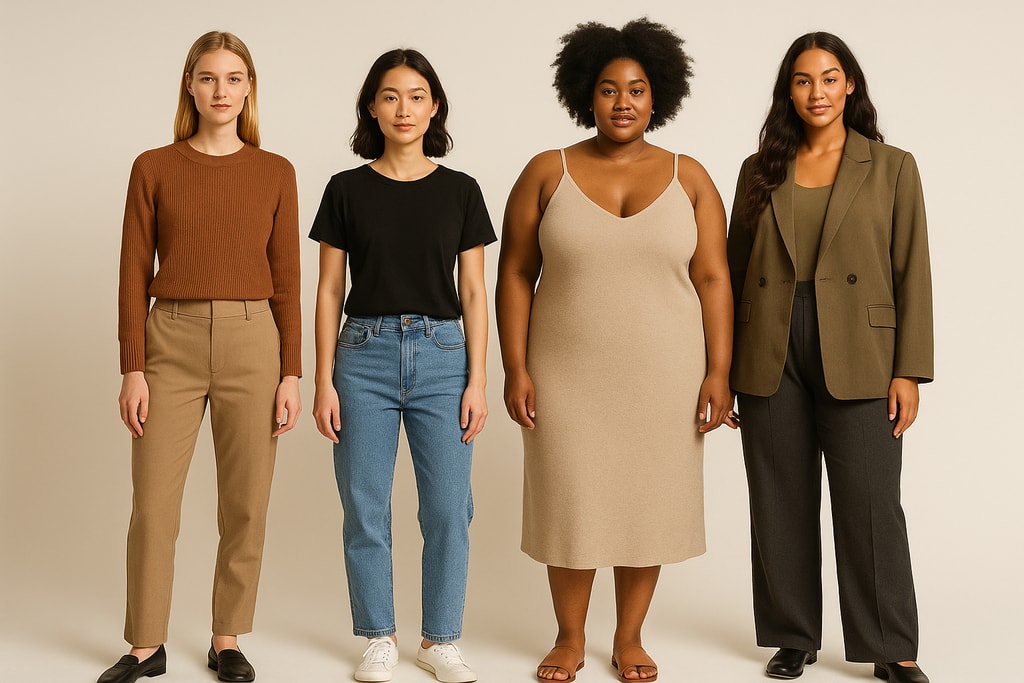
AI models can represent varied body types, ethnicities, and demographics, enhancing inclusivity in marketing. Brands can thus cater to diverse audiences, although careful attention is needed to avoid tokenism or inauthentic representation.
Practical Implementation: Leveraging AI Photography in Retail
Assessing Business Needs
Before delving into AI-generated models, evaluate your brand's unique requirements. Consider catalog size, target demographics, budget limitations, and the role of authenticity in your brand identity.
Choosing the Right AI Solution
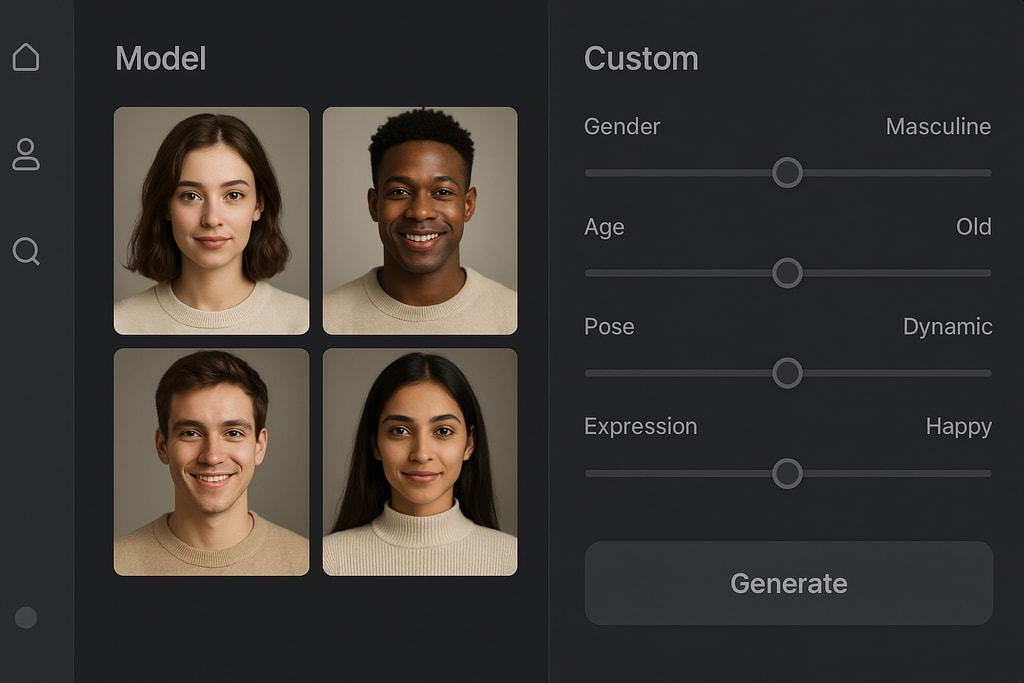
Opt for an AI photography platform that aligns with your objectives. Prioritize solutions offering high-quality, customizable models, user-friendly interfaces, and seamless integration with existing systems. Ensure options for representing diverse audiences are available.
Create product photos with AI technology specifically tailored for your business.
Workflow Integration
Incorporate AI-generated images into product listings, advertisements, and social media. Consistency in quality and style is crucial for cohesive branding. Regular updates will keep visuals fresh and engaging.
Monitoring and Feedback
Keep an eye on key metrics like conversion rates and customer engagement to assess the impact of AI imagery. Solicit customer feedback to gain insights and fine-tune approaches for authenticity and impact.
Challenges and Considerations
Authenticity and Consumer Trust
Despite the benefits, AI models occasionally fall into the "uncanny valley"—almost human-like but with subtle inconsistencies. Consumer detection of artificial elements can lead to decreased trust and higher return rates.
Ethical Implications
The rise of AI invites ethical concerns like job displacement for human models and photographers and the potential misuse in simulating diversity without genuine representation. Navigating these issues with transparency and ethical considerations maintains public trust.
Best Practices for AI Fashion Photography
Harmonizing AI and Human Elements
While efficiency is increased with AI models, maintain a balance between AI and human imagery. Use AI for secondary images and human models for flagship products to preserve authenticity.
Realistic Representations
Ensure AI-generated models accurately portray products. Attention to fabric texture, fit, and color accuracy is vital for customer satisfaction.
Explore AI fashion model photos for enhanced accuracy and realism in your imaging strategies.
Ethical Responsibility
Transparency about the use of AI imagery is crucial. Engage in fair practices, compensating human talent and understanding the broader industry impact of AI implementation.
Checklist: Implementing AI Fashion Model Photography
- Evaluate Needs:
- Determine scale and imagery requirements.
- Assess budget constraints.
- Select a Platform:
- Compare AI solutions for customization options.
- Integrate Imagery:
- Develop a comprehensive strategy for using AI images.
- Ensure consistency and quality.
- Optimize:
- Monitor performance metrics.
- Adjust based on customer feedback.
Frequently Asked Questions (FAQ)
Q: Can AI generated models accurately represent complex clothing designs? A: While AI technology is advancing, it may struggle with intricate garments and unique designs. Reviewing the AI-generated images is essential for ensuring accurate representation.
Q: How can AI contribute to more inclusive fashion marketing? A: AI models can be customized to represent diverse ethnicities and body types, offering broader appeal and inclusivity in marketing efforts.
Q: What platforms are recommended for AI fashion model photography? A: Look for platforms that offer robust customization, diversity representation, and seamless integration with your business systems for maximized efficiency and impact.
Q: How do AI-generated models affect consumer trust? A: While initially challenging, transparent usage and maintaining a balance between AI and human representations can help build or maintain consumer trust.
Q: Is there a cost threshold where AI becomes more viable than traditional methods? A: For brands with extensive catalogs or frequent updates, AI often proves more cost-effective than traditional shoots, with cost-saving benefits more pronounced as scale increases.