
Introduction
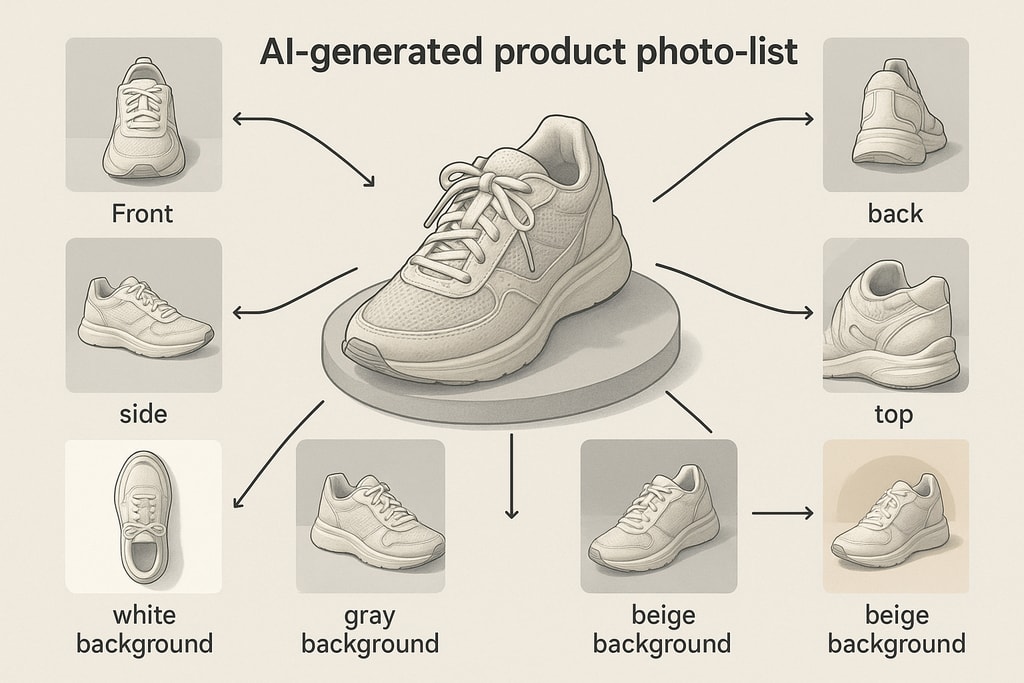
In a fiercely competitive e-commerce landscape, the quality of product photos is crucial. They are often the first point of interaction between your product and potential customers. A vivid, professional image can significantly sway a buyer’s decision. Traditionally, producing high-caliber photos has involved costly setups and lengthy editing sessions. With the advent of artificial intelligence (AI), however, creating stunning product visuals has become more accessible and efficient.
The Importance of High-Quality Product Photos
High-quality product images do more than just depict a product; they tell a story. They create an emotional connection with the customer. According to insights from Shopify, products adorned with superior images showcase a 40% boost in conversion rates. It's imperative for e-commerce entrepreneurs to invest in the quality of product visuals to remain competitive.
Challenges in Traditional Product Photography
High Costs
Engaging professional photographers and acquiring studio time can escalate costs dramatically. This is particularly challenging for small businesses and startups.
Time-Consuming
Organizing, executing, and editing a photoshoot demands significant time. This can hamper time-to-market for new products.
Limited Flexibility
Changes to product images might necessitate reshoots, leading to further expenses and delays.
How AI is Transforming E-commerce Product Photography
AI-powered tools are overcoming traditional barriers by providing innovative solutions:
Automated Background Removal
AI technology can efficiently remove backgrounds, allowing for diverse image placements and consistent catalogs, crucial for brand identity across platforms.
Virtual Photoshoots
With AI, products can be showcased on AI-generated models, eliminating the need for physical models and enhancing flexibility. For instance, platforms such as Tryonr offer virtual studios for showcasing your products in various settings.
Consistent Editing
AI ensures uniformity across visuals by automatically adjusting lighting, color, and clarity, which bolsters brand cohesiveness and customer trust.
Batch Processing
AI facilitates swift edits across large catalogs, saving time while maintaining image quality consistency.
Benefits of Using AI for Product Photography
Cost Efficiency
AI reduces dependence on costly equipment and professional services, making quality visuals more attainable.
Time Savings
The process accelerates, shrinking the intervals between product updates and launches.
Flexibility
Easily make updates and variations to visuals without the need for reshoots.
Scalability
AI ensures consistent quality, even as product lines grow.
Implementing AI in Your E-commerce Workflow
Assess Your Needs
Identify the volume and type of product visuals you require.
Choose the Right AI Tool
Select an appropriate AI platform. ProdShot offers tailored solutions for e-commerce image creation.
Prepare Your Products
Ensure items are clean and ready before initial photography.
Capture Initial Photos
Use your smartphone or camera to take clear images.
Upload and Process
Upload your photos to an AI platform for enhancements such as background removal.
Review and Adjust
Ensure AI-generated images meet your quality standards and platform guidelines.
Optimize for Platforms
Ensure images meet the varied specifications of different sales platforms.
Practical Examples and Case Studies
Example 1: A Boutique Clothing Store
By using AI for model integration and background adjustments, the store was able to reduce costs by 70% and improve viewer engagement by 50%.
Example 2: Electronics Retailer
Through batch processing, the retailer updated their entire product catalog in a week, improving site traffic by 30%.
Mistakes to Avoid
- Over-Editing: Excessive use of AI tools can lead to unnatural images.
- Ignoring Platform Guidelines: Ensure images adhere to the standards of each e-commerce platform.
- Neglecting Original Photos: Ensure initial captures are of high quality; AI can enhance but not fix a poor original.
Marketplace-Specific Advice
Amazon
Use AI to ensure images meet Amazon's technical requirements and enhance image consistency.
Etsy
AI can help create unique, visually appealing images aligning with Etsy's more creative audience.
Shopify
Utilize AI for seamless product catalog updates and to create immersive visual experiences.
FAQ
Q: Are AI-generated product photos accepted on major platforms? A: Yes, provided they adhere to each platform's content and quality guidelines.
Q: Can AI fully replace professional photographers? A: AI is a tool to enhance efficiency but lacks the creative intuition of a human photographer.
Q: What is the learning curve for AI photography tools? A: Most are user-friendly, with tutorials and support to guide users through the process.
Conclusion
AI revolutionizes e-commerce product photography by crafting solutions that are cost-effective and scalable. Integrating AI, such as through ProdShot, can elevate product imagery, enhance customer attraction, and drive sales. These technologies enable businesses to stay ahead in an ever-evolving market.
Sources and Further Reading
- Snaply – AI Product Photos for E-commerce
- Lumepixa — AI Product Photography for E-Commerce
- Free product photo tools
- SellHound – AI Product Photography for E-Commerce Sellers
- Product Photoshoot AI: Turn E-Commerce Product Photos into Product Shoots Using AI – YouTube
Note: These sources provide further insights into AI advancements in e-commerce photography.