

In the fiercely competitive e-commerce landscape, captivating product images can be the differentiator between a sale and a missed opportunity. Historically, producing such images demanded significant time, expertise, and financial investment. But now, with artificial intelligence (AI), the game has changed dramatically. This guide explores how AI revolutionizes product photography, making it not just accessible but also efficient and highly impactful.
Why High-Quality Product Photography Matters
Imagine walking into an online store without visuals—sounds unheard of, right? Product images act as your virtual storefront, shaping first impressions and influencing purchasing decisions. According to research, 75% of online shoppers rely heavily on visuals before deciding to buy. Quality images encapsulate professionalism and build shopper trust, directly impacting conversion rates.
Challenges in Traditional Product Photography
Traditional product photography is a multilayered process demanding resources and time:
- Professional Photographers: Hiring experienced photographers to capture high-quality imagery.
- Studio Space: Renting studios equipped with appropriate lighting and backgrounds.
- Post-Editing: Retouching images to align with platform standards.
These steps often lead to high costs and logistical hurdles, especially for businesses with extensive product lines or frequent inventory turnovers.
AI's Transformation of Product Photography
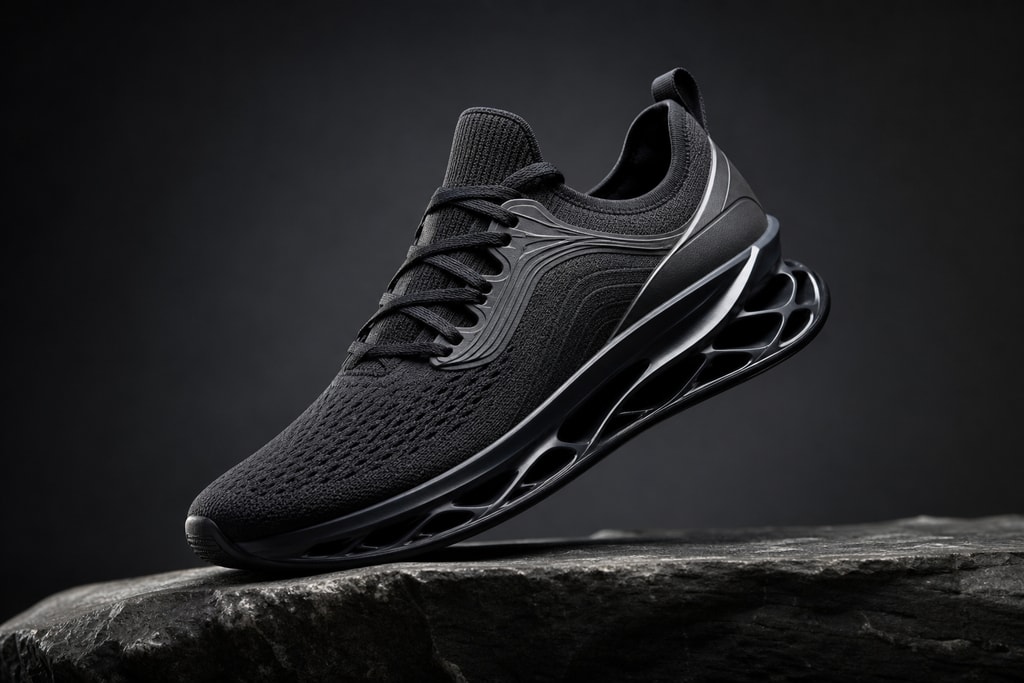
AI-powered tools like ProdShot offer transformative solutions by automating and enhancing photography processes at multiple steps:
1. Dramatic Cost Savings
AI photographic solutions remove the dependency on physical studios and professionals, drastically cutting costs. For example, Milano AI demonstrates a 95% reduction in expenses, producing a studio-quality image in under 30 seconds. (Use the Product photo cost calculator to explore cost benefits.)
2. Enhanced Time Efficiency
AI shortens production timelines from days to mere minutes, which is vital for businesses managing large inventories or frequent updates.
3. Consistency and Brand Cohesion
A unified visual identity is pivotal for brand recognition. AI ensures consistent lighting and styles across all images, which enhances customer trust. Tools like Scalio support batch processing, affirming uniformity across entire catalogs. (Scalio)
4. Versatility and Customization Options
AI tools provide customizable features, from background changes to generating lifestyle images, aligning with diverse marketing needs:
- Background Adjustments: Adapt backgrounds for varying platform themes and campaigns.
- Virtual Contextualization: Create engaging lifestyle images that help customers visualize product usage.
- Simulated On-Model Shots: AI-generated on-model images eliminate the need for model photoshoots, effective for apparel and accessories. (PictoPose)
5. Scalability
AI accommodates vast product lines by rapidly producing images in different settings and styles, crucial for expansive e-commerce platforms.
Practical Applications of AI in E-commerce Photography

Batch Editing for Large Inventories
Efficiently process numerous images simultaneously, maintaining consistent editorial styles—a boon for catalog refreshes across e-commerce sites like Amazon and eBay.
Platform-Specific Compliance
Automatically align images with the distinct requirements of different e-commerce platforms, ensuring compliance and mitigating listing issues.
Image Quality Enhancement
AI improves image resolution and corrects color discrepancies and lighting, yielding professional-grade photos that increase customer attraction and conversions.
Avoiding Common AI Photography Mistakes
- Poor Input Quality: Ensure that initial photos are clear and well-lit to optimize AI results.
- Over-Editing: Balance AI edits to maintain natural appearance and avoid an over-polished look.
- Ignoring Platform Guidelines: Different platforms have unique image requirements—AI tools can tailor images, but oversight is essential.
A Thoughtful Checklist for Implementing AI in Photography
- Define Objectives: Determine the volume and variety of images needed.
- Select the Right Tool: Align your choice of AI platform with business needs and budget constraints.
- Prepare Quality Inputs: Start with clear, well-lit product photos to optimize AI outputs.
- Custom Settings: Utilize customization features to adhere to brand aesthetic and market platform rules.
- Quality Review: Inspect the AI-generated images and make amendments as necessary.
- Performance Monitoring: Deploy images in listings and analyze their impact on sales and customer engagement.
Frequently Asked Questions (FAQ)
Q: Can AI-generated photos really compete with professional studio outcomes?
A: Absolutely, AI tools today can produce images with professional-grade quality that often surpass e-commerce platform standards. (Milano AI)
Q: Are all product types suitable for AI photography?
A: While adaptable for various products, items with intricate textures may need adjustments for perfection.
Q: How does AI cater to different product variants?
A: AI can process different input photos or tweak settings to represent changes in color, size, or model variations.
Q: Do mainstream platforms accept AI-generated images?
A: Yes, provided the images meet quality and format standards of each platform.
Q: What cost savings can be expected with AI photography?
A: Businesses report up to a 90% cost reduction compared to traditional methods, offering substantial economic benefits. (PixelMotion)
Internal and External Resources
- Create product photos: Your guide to crafting exceptional images with AI.
- Product photo cost calculator: Calculate potential savings when using AI.
Further Reading
- AI Product Photography — Professional E-Commerce Photos | Milano AI
- The Intelligent Scalability of AI Photography | Scalio
This long-form guide aims to equip you with the insights necessary to seamlessly incorporate AI into your e-commerce photography, driving sales and enhancing brand presence in an ever-evolving online market.