In the fast-paced world of e-commerce, high-quality product images are crucial not only for showcasing the product but also for building customer trust and driving conversions. Traditional apparel photography, although effective, has often been a resource-intensive process. Artificial intelligence (AI) is now revolutionizing this field by offering new, efficient, and cost-effective methods for capturing and enhancing apparel imagery.
The Evolution of Apparel Photography
Historically, creating professional-looking apparel images required considerable investments in professional photographers, models, studios, and post-production editing. This traditional method posed challenges for small to medium-sized businesses due to high costs and logistical complexities. However, advancements in AI are democratizing high-quality imagery, enabling businesses of all sizes to compete equally in the marketplace.
Traditional vs. AI-Driven Approaches
- Traditional: Involves physical setups, multiple stakeholders, and substantial time and cost commitments.
- AI-Driven: Utilizes algorithms to generate realistic images, reducing the need for physical setups and substantially cutting costs and time.
How AI is Transforming Apparel Photography
AI-driven apparel photography relies on machine learning to create realistic images without physical models or elaborate setups. Here’s how AI is making a difference:
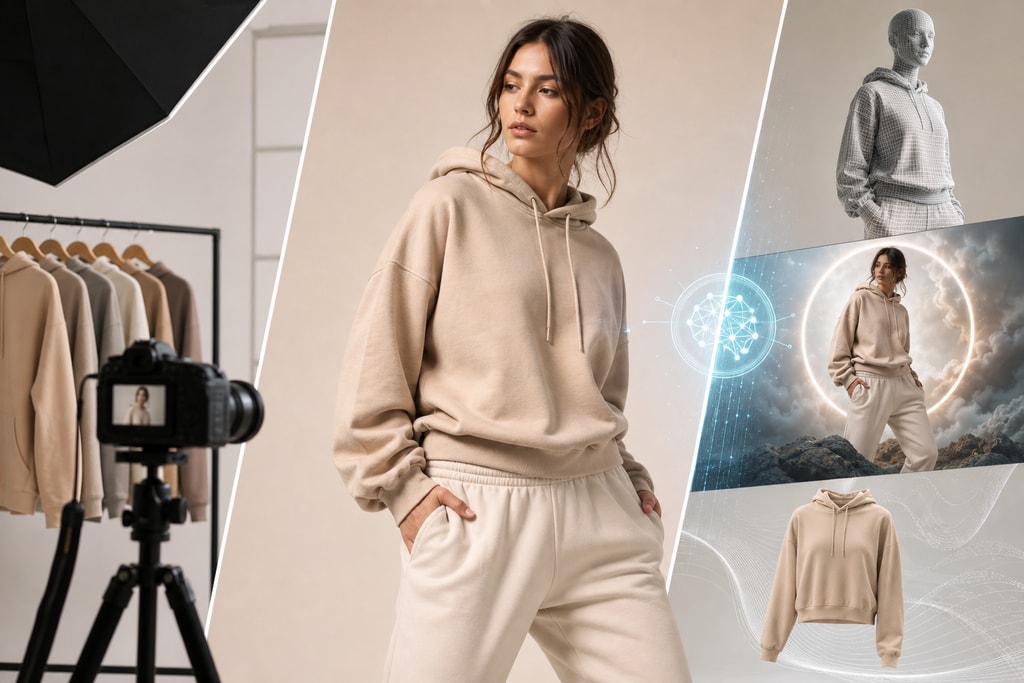
1. AI Model Generation
AI can create virtual models wearing your apparel, providing realistic depictions while saving on costs. This also allows brands to showcase diversity in demographics and body types more easily.
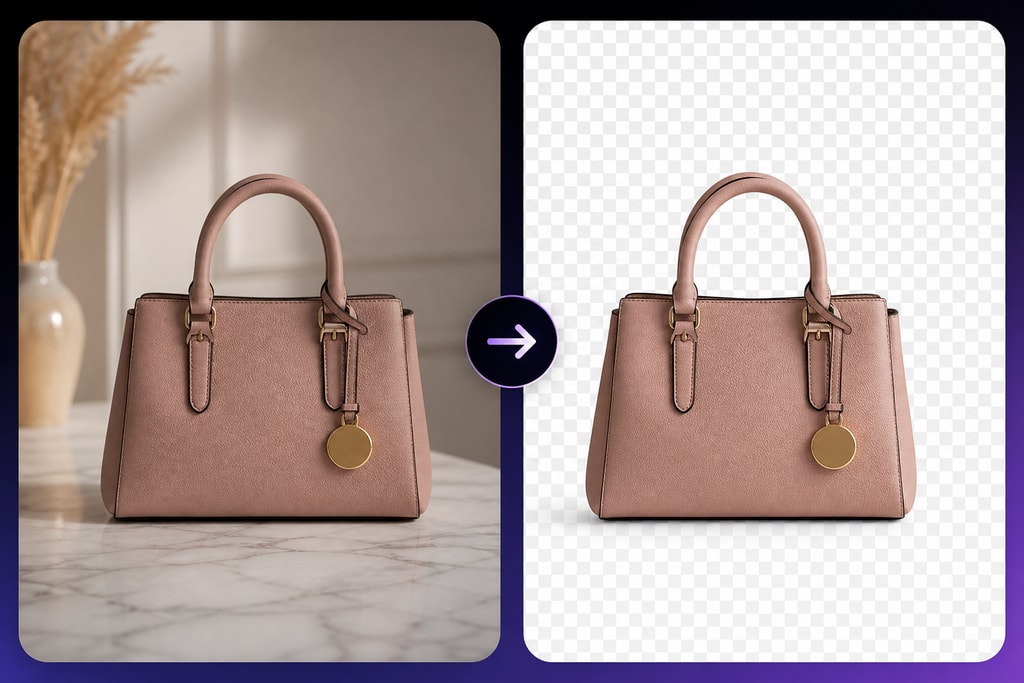
2. Advanced Background Manipulation
AI tools assist in removing and replacing backgrounds seamlessly, ensuring consistency and focus in product images. This feature is crucial for maintaining brand aesthetics across various product listings.
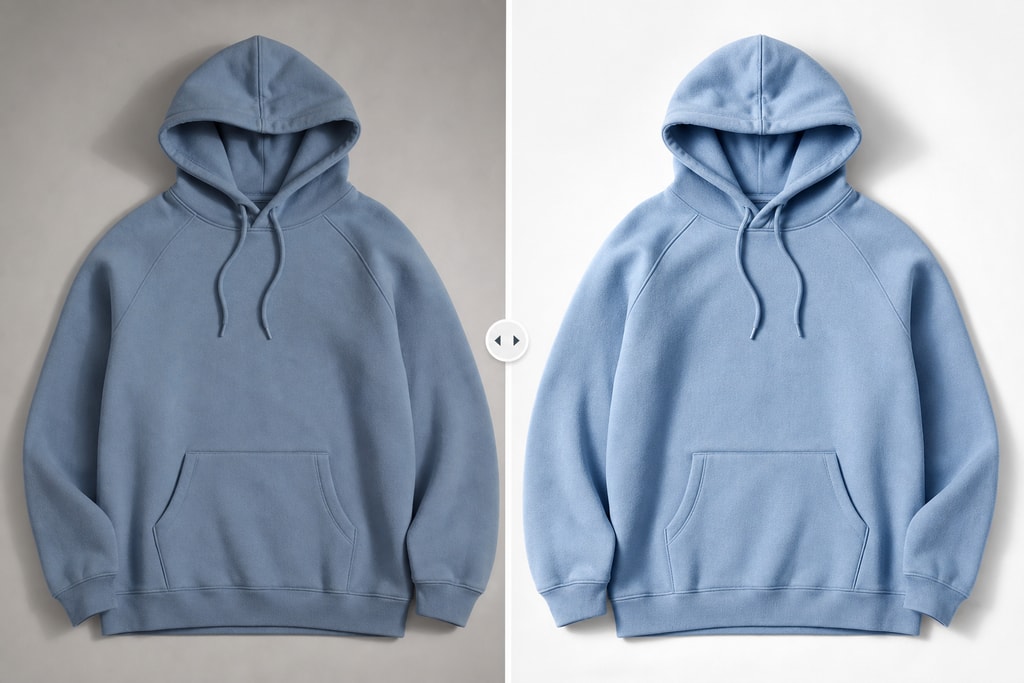
3. Image Enhancement and Editing
AI algorithms enhance images by adjusting lighting, correcting colors, and simulating various lighting conditions. These enhancements ensure the apparel looks its best under different scenarios.
Implementing AI Techniques in Your Workflow
Here is a detailed step-by-step guide integrating AI into your apparel photography strategy:
Step 1: Capture High-Quality Base Images
Begin with clear, well-lit images using a plain, neutral background. Ensure the garment is fully visible and properly lit. High-quality input images yield the best AI-enhanced outcomes.
- Tip: Use diffused lighting to avoid harsh shadows. Consistency in lighting settings is crucial for seamless AI processing.
Step 2: Leverage AI Background Removal
Employ AI tools to remove backgrounds, emphasizing the product. This technique sets a clean stage for next steps in editing and keeps consumer focus solely on the apparel.
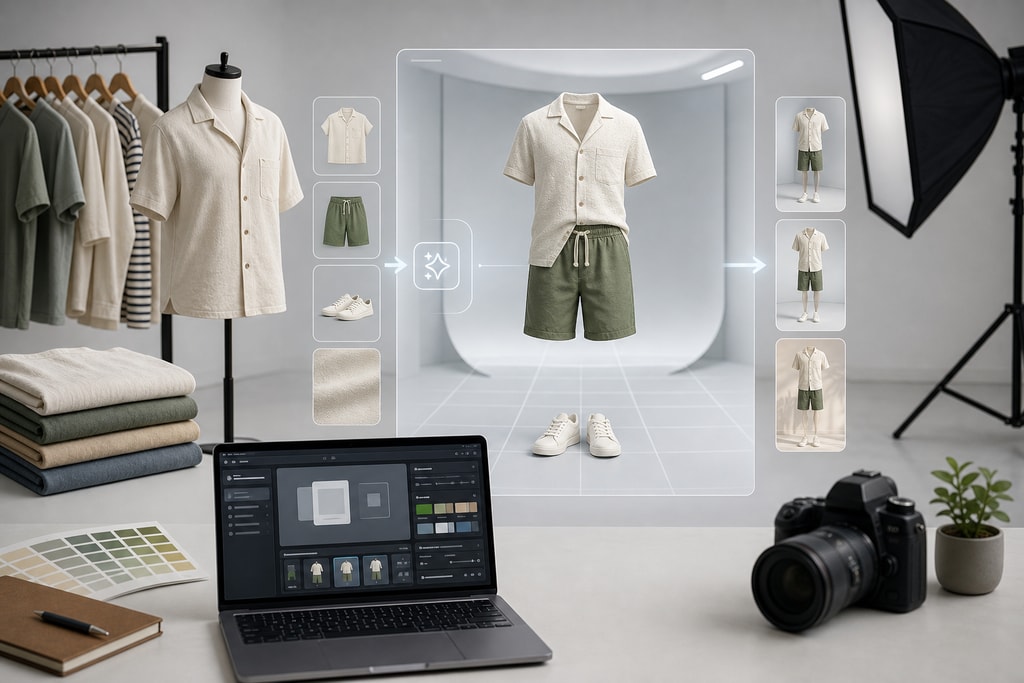
Step 3: Utilize AI Model Platforms
Platforms that generate virtual models enable you to select various body types, poses, and settings aligned with your brand's identity. This flexibility accommodates diverse audience representation.
- Considerations: Set clear criteria for model diversity to reflect your target market effectively.
Step 4: Enhance and Edit Images
AI-driven editing tools offer powerful options for adjusting and enhancing image quality. Simulate different environments to build versatile marketing imagery.
Step 5: Ensure Consistency Across Listings
Leverage AI tools to standardize backgrounds, lighting, and model aesthetics across all images. Consistency strengthens brand presence and consumer trust.
- Check: Ensure all product images adhere to pre-established brand standards for uniformity.
Benefits of AI in Apparel Photography
- Cost Efficiency: Significantly reduces the cost of photoshoots, eliminating fees related to hiring professionals and renting studios.
- Time Savings: Streamlines the production process, enabling faster turnaround in listing products.
- Scalability: Accommodates large catalogs effortlessly with automated processes.
- Customization and Diversity: Reflects brand values through customizable AI-generated models and settings.
Practical Examples and Tips
Example 1: Fashion Startup Launch
- Small brands can rapidly create catalogs during hectic launch phases, deploying AI to swiftly generate high-quality images without large upfront costs.
Example 2: Seasonal Collection Update
- Brands can reimagine seasonal collections by altering model demographics and settings for targeted marketing.
Mistakes to Avoid
- Over-Reliance on Tools: Ensure human oversight in final edits to maintain authenticity and brand voice.
- Ignoring Base Quality: Low-quality input images lead to lackluster AI outputs—prioritize initial image quality.
FAQs: Navigating AI in Apparel Photography
Q: How realistic do AI-generated images appear?
A: With high-quality inputs, AI-generated images often look indistinguishable from photos taken traditionally. AI's ability to fine-tune lighting and aesthetic nuances plays a role in this authenticity.
Q: Can AI apparel photography work for intricate designs?
A: Yes, but intricate materials and textures may require additional processing. Pay attention to detail to avoid inaccuracies.
Q: Is the transition to AI photography seamless?
A: While AI offers advantages, transitioning involves a learning curve. Familiarity with the chosen platforms maximizes potential benefits.
Q: Are there ethical considerations in using AI models?
A: Yes, ethical usage includes respect for diversity and representation. Fostering inclusivity through considerate model selection is essential.
Next Steps in AI Apparel Photography
To explore AI in apparel photography further, consider engaging with tools that foster creativity and efficiency:
Conclusion
The integration of AI in apparel photography is reshaping how brands present their products online. This technological shift offers unprecedented advantages in cost, speed, and diversity, empowering brands to craft compelling product stories.
Sources and Further Reading
- How to Take Perfect Photos for AI Outfit Generation | Outfitry Blog
- Complete Guide to AI Model Apparel Photography for Brands
- The Complete AI Clothing Photoshoot Guide for Fashion Brands (2026)
- How to Make AI Apparel Photography Look Authentic | Rewarx
- Creating Winning Product Images with AI Techniques | Ecomtrend Magazine