
In the competitive world of e-commerce, first impressions are everything. High-quality product images are more than mere aesthetic enhancements; they are vital tools for significantly increasing your conversion rates and boosting sales. This guide delves into how superior product photography can transform your online store’s performance.
The Impact of Product Photos on Conversion Rates
Product images often serve as the first point of contact between your potential customers and your products. Research indicates that 75% of online consumers rely on product photos to make purchase decisions. (rewarx.com) This highlights the necessity of showcasing your products in the best light possible.
Key Statistics Demonstrating the Power of Product Images
- Conversion Rate Increase: High-quality images can boost conversion rates by as much as 94% compared to low-quality alternatives. (sellhound.com)
- Importance of Multiple Images: Listings featuring six or more images experience a 34% rise in conversions. (imagepulser.com)
- Zoom Functionality: High-resolution images with zoom capabilities enhance purchase likelihood by 45%. (clippingimages.com)
Key Elements of Effective Product Photography
To maximize the potential of your product images, focus on the following elements:
1. High-Resolution Images
Crisp, detailed images allow customers to closely inspect products, which helps build trust and alleviate any hesitation. Aim for sharp, professionally edited photos.
2. Multiple Angles and Views
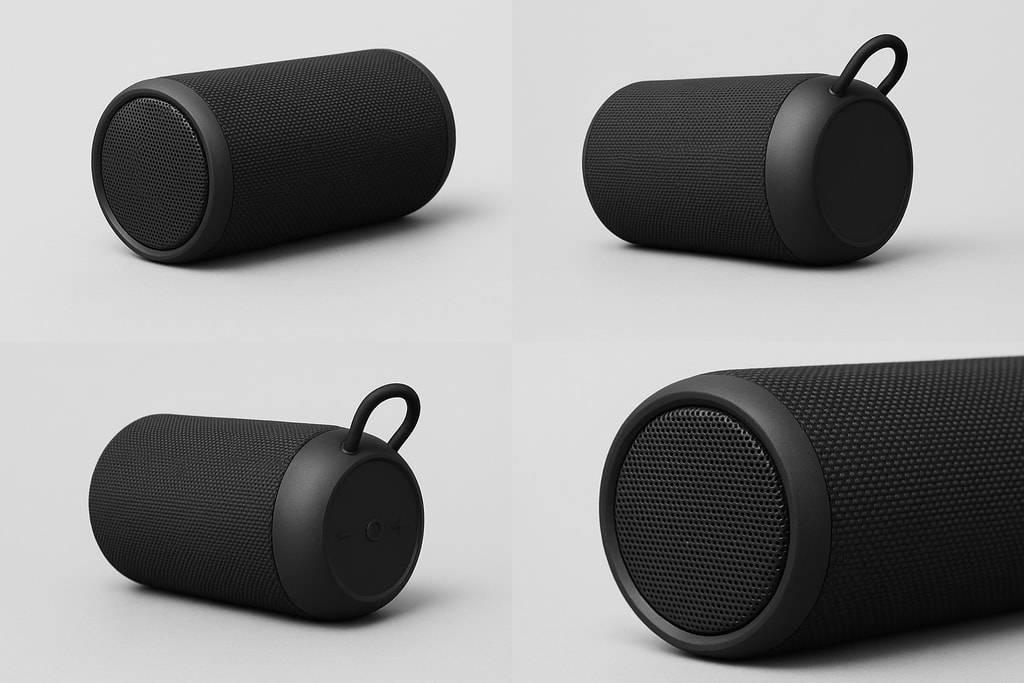
Displaying products from various angles helps customers thoroughly understand what they’re buying. Close-ups of important features can further aid in decision-making.
3. Consistent Backgrounds
Using uniform backgrounds like white or neutral tones ensures the spotlight remains on the product and creates a cohesive appearance across your catalog.
4. Lifestyle Images
Incorporating lifestyle shots that demonstrate the product in use encourages customers to envision how it fits into their lives, enhancing emotional engagement.
5. Accurate Color Representation
Ensuring that the imagery accurately represents product colors is critical, as discrepancies can lead to returns and customer dissatisfaction.
Optimizing Product Photos for Various Marketplaces
Different e-commerce platforms have specific image requirements and best practices. Here's how you can tailor your product photos to each platform’s needs:
Amazon
- Image Requirements: Images should be at least 1000 pixels on the longest side to enable zoom functionality.
- Background: Main images must feature a pure white background.
- Additional Images: Use lifestyle and detail shots to provide a thorough view.
For a more detailed list, see our Amazon Product Image Checklist.
Etsy
- Image Size: The recommended image size is 2000 pixels on the shortest side.
- Style: Artistic and lifestyle images perform exceptionally well due to Etsy’s artisanal focus.
- Quantity: Make use of all available image slots to showcase the product fully.
Visit our Etsy Listing Photo Checklist for additional insights.
Shopify
- Flexibility: Shopify supports diverse image styles, but maintaining consistency across your store enhances brand identity.
- Optimization: Ensure images are optimized for fast loading speeds without sacrificing quality.
DIY vs. Professional Product Photography
Deciding between DIY photography and hiring a professional can depend on various factors:
DIY Photography
- Pros:
- Cost-effective
- Full creative control
- Cons:
- Requires investment in equipment and photography skills
- Potentially time-consuming
Professional Photography
- Pros:
- High-quality, polished results
- Saves time and effort
- Cons:
- Higher initial cost
- Reduced creative input
Leveraging AI for Product Photography
AI technology advancements have facilitated access to professional-quality product images without hefty investments in equipment or professional skills. Services like ProdShot let you upload ordinary photos captured with your phone and transform them into marketplace-ready images. This is a cost-effective and efficient solution for e-commerce businesses seeking to enhance product visuals.
Check our Create Product Photos for more details.
Checklist for Optimizing Product Photos
Utilize the following checklist to guarantee your product photos are optimized for maximum conversion:
- [ ] High-resolution images (at least 1000 pixels on the longest side)
- [ ] Multiple angles and views
- [ ] Consistent, neutral backgrounds
- [ ] Inclusion of lifestyle images
- [ ] Accurate color representation
- [ ] Compliance with platform-specific requirements
- [ ] Fast loading optimization
Download our E-commerce Product Photo Checklist to explore further.
Marketplace-Specific Photo Mistakes to Avoid
- Amazon: Avoid using busy backgrounds; stick to pure white for main images.
- Etsy: Avoid too many technical views; showcase creative, styled images.
- Shopify: Don’t neglect image optimization, risking slow load times.
Frequently Asked Questions (FAQ)
Q: How many product images should I include per listing?
A: Including at least 6 images per product is recommended to provide a comprehensive view and enhance conversion rates. (imagepulser.com)
Q: Do I need professional equipment to take good product photos?
A: While professional equipment enhances quality, many modern smartphones have capable cameras. With appropriate lighting and composition, smartphones can yield satisfactory results.
Q: What are the benefits of using lifestyle images?
A: Lifestyle images illustrate product usage, helping customers visualize how it fits into their lives, boosting emotional connection and intent to purchase.
Q: How can I determine the cost-effectiveness of DIY vs. professional photography?
A: Use tools like our Product Photo Cost Calculator to weigh the costs and benefits.
Conclusion
Investing in high-quality product photography is pivotal to the success of your e-commerce venture. By leveraging professional images, adhering to platform-specific guidelines, and utilizing AI, you can effectively engage customers and boost your store’s conversion rates. Make your images work for you by integrating the strategies outlined in this guide and continually refining your approach to maximize impact.