
Introduction
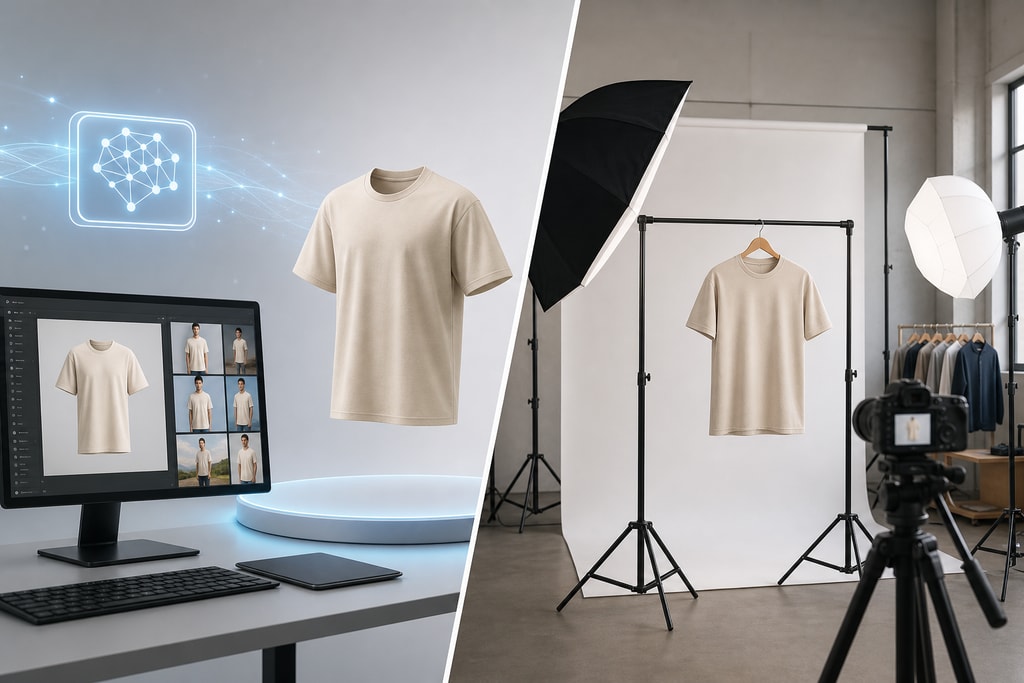
In the competitive world of apparel retail, high-quality product imagery plays a crucial role in driving sales. However, the conventional route of conducting elaborate photo shoots can be expensive and time-consuming. This comprehensive guide delves into modern alternatives that can produce equally striking visuals at a fraction of the cost and effort. Whether you're a budding online retailer or a seasoned e-commerce entrepreneur, these innovative methods can enhance your brand's visual appeal and operational efficiency.
Flat Lay Photography
Overview
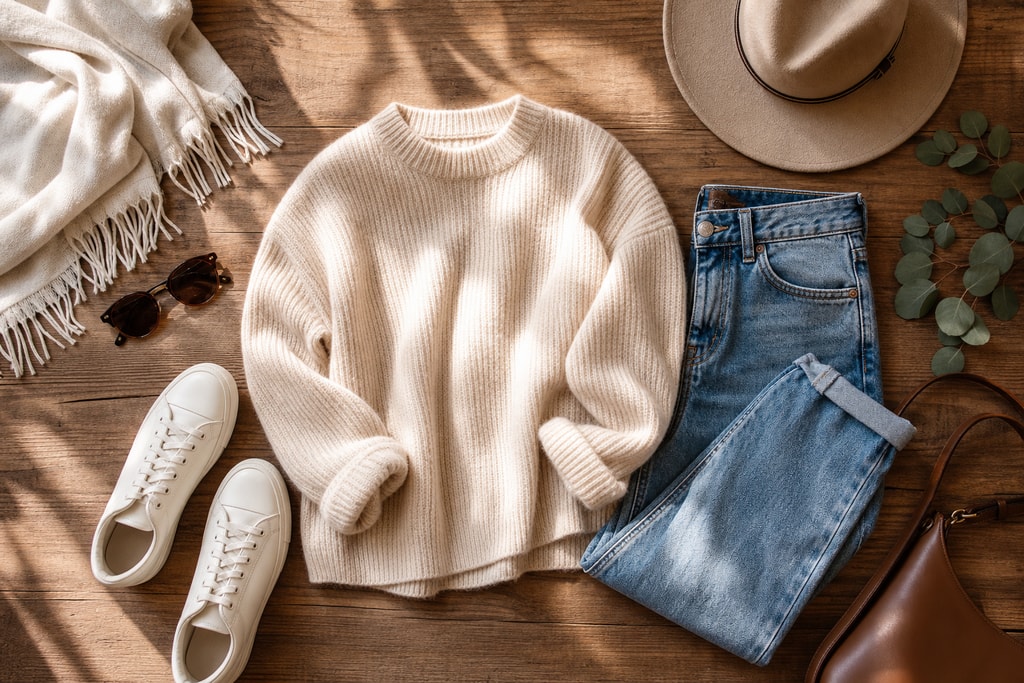
Flat lay photography involves arranging clothing items on a flat surface and photographing them from above. This straightforward approach requires minimal technical equipment and is an excellent starting point for those new to product photography.
Setup and Equipment
- Surface: Utilize a clean, flat surface with a neutral-colored backdrop to ensure your garments stand out.
- Lighting: Natural lighting is optimal, but softbox lights can be used to provide consistent illumination and minimize harsh shadows.
- Camera: A reliable DSLR or high-quality smartphone, mounted securely on a tripod, ensures stability and reduces blur.
Advantages
- Cost-Effective: Only a modest initial outlay on basic equipment is needed.
- User-Friendly: Ideal for beginners, offering a simple learning curve.
Limitations
- Lack of Dimensionality: It might not fully convey how clothing fits or drapes on the body.
- Engagement: Without dynamic elements, it may not capture impulsive buyer interest as effectively.
Best Practices
- Preparation: Iron or steam garments to eliminate wrinkles before shooting.
- Composition: Pay attention to the symmetry and spacing in your layouts.
- Consistency: Keep the style uniform across images to build a cohesive brand identity.
Practical Tips
- Placing Accessories: Integrate accessories or props to add context and storytelling to your flat lays.
- Experiment with Angles: Experiment by slightly tilting the camera for varied perspectives.
Ghost Mannequin Photography
Overview
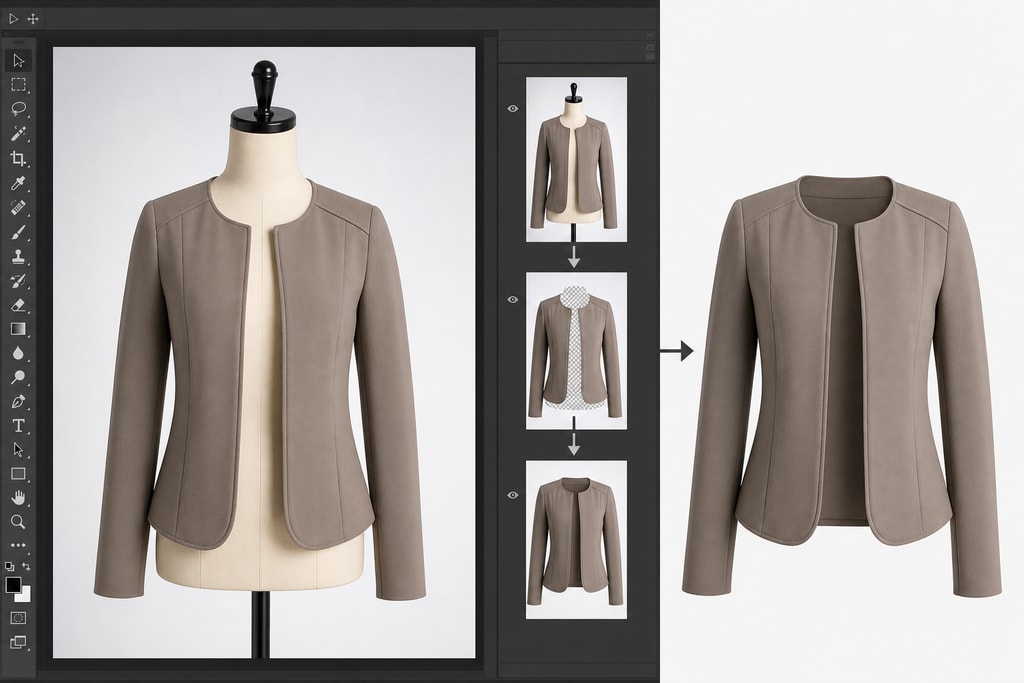
Ghost mannequin photography uses a mannequin that can be digitally removed, creating the illusion that the garments are worn invisibly. This highlights the fit and structure, offering a more immersive shopping experience.
Setup and Equipment
- Mannequin: Invest in a detachable mannequin that allows easy removal of its parts for photographing inner linings.
- Camera and Lighting: A professional-grade camera paired with soft, consistent lighting is crucial.
- Post-Processing: Advanced editing software is needed to seamlessly remove the mannequin and stitch images together.
Advantages
- Professional Aesthetics: Offers a polished and uniform look across product photos.
- Fit Emphasis: Demonstrates the clothing's cut and drape effectively.
Limitations
- Skill Requirement: Requires adeptness with both photography and editing tools.
- Resource-Heavy: Editing can be time-consuming, demanding precision and patience.
Best Practices
- Consistent Lighting: To simplify image processing, maintain uniform lighting conditions throughout.
- Quality Editing: Focus on preserving natural shadows and contours when editing.
- Diverse Angles: Photograph garments from multiple angles to present a comprehensive view.
Mistakes to Avoid
- Over-Editing: Beware of altering colors and textures to the point of misrepresenting the product.
- Ignoring Context: Forgetting to showcase key details such as fabric quality or functional elements can be a drawback.
AI-Generated Imagery
Overview
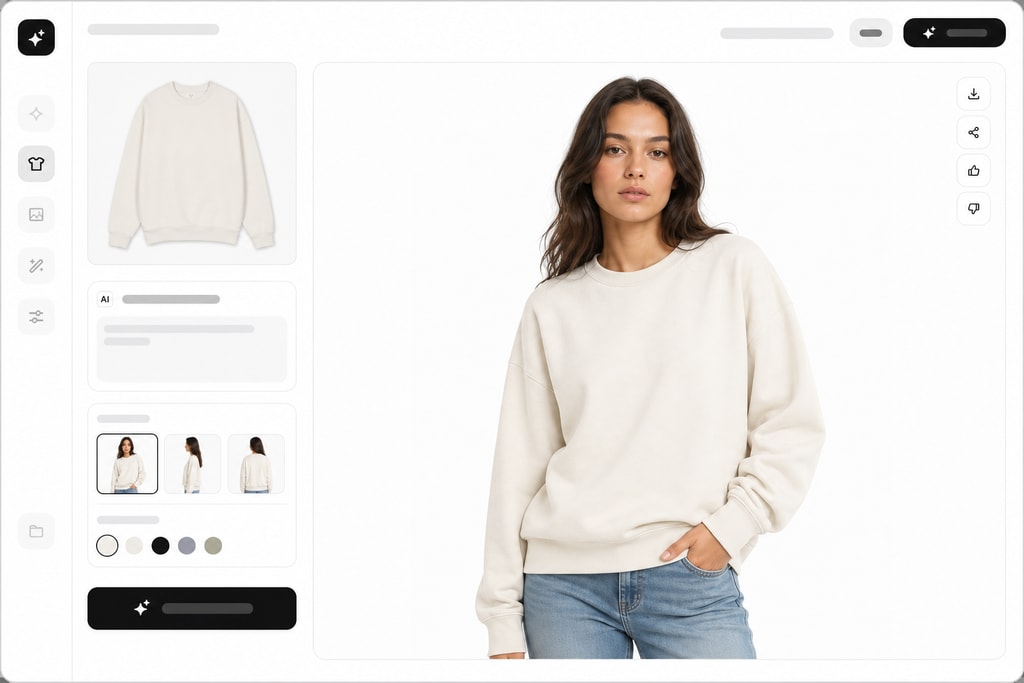
AI technology has revolutionized apparel visualization by enabling the creation of realistic model images from standard garment photos. This method bypasses the need for physical photo shoots altogether.
Process
- Upload Garment Image: Start with clear, high-resolution images of your products.
- Select Models and Backgrounds: Utilize diverse model options and settings to fit your brand aesthetics.
- Generate Visuals: The AI synthesizes inputs to create convincing, on-model product images.
Advantages
- Cost Reduction: Dramatically cuts cost compared to traditional photo shoots.
- Efficient Production: Quick image generation significantly enhances workflow.
- Scalable Solutions: Perfect for scaling up production for extensive product lines.
Limitations
- Technical Acquaintance: New users may need time to learn the interface and features.
- Variable Quality: The final output can vary depending on software sophistication.
Best Practices
- Quality Inputs: Optimal results depend on starting with the best possible input photos.
- Consistent Branding: Choose models and backgrounds that align with brand identity.
- Thorough Examination: Review AI-generated outputs closely to ensure they meet quality standards.
Practical Challenges
- Tool Compatibility: Ensure your image formats and resolutions are compatible with AI tools.
- Realism in Models: Strive for natural-looking models to avoid an artificial feel.
Method Comparison
| Method | Cost | Time | Skill | Fit Showcasing | Scalability | |——-|——|——|——|—————-|————-| | Flat Lay | Low | Low | Low | No | Moderate | | Ghost Mannequin | Moderate | High | High | Yes | Low | | AI-Generated | Low-Moderate | Low | Moderate | Yes | High |
Decision Criteria
- Budget:
- Shoestring budget suits flat lay or AI imagery.
- Moderate investment can accommodate ghost mannequins.
- Time Constraints:
- Tight schedules benefit from AI solutions.
- Flexible timelines can include ghost or flat lay methods.
- Experience Level:
- Novices start with flat lay.
- Intermediate users can tackle ghost or AI methods.
- Product Range:
- Smaller catalogs enjoy any method.
- Large inventories benefit from AI scalability.
Top FAQs
Q: Do AI tools outdo traditional shoots in quality?
A: Many advanced AI platforms can replicate traditional photo shoot quality with the right input quality.
Q: Is ghost mannequin technique versatile across clothing types?
A: It's best suited for structured pieces but less effective for flowy fabrics.
Q: How to keep flat lay consistent across a brand?
A: Employ uniform backdrops, lighting, and angles for coherence in presentation.
Q: Are there free AI options for apparel images?
A: Some platforms offer complimentary trials, but top-tier features are often behind paywalls.
Q: What method suits my brand best?
A: Consider factors like budget, time, skills, and product types before deciding.
Further Exploration
Learn more about creating stunning product photos with AI: Create product photos
Discover AI model photography: AI fashion model photos
Sources and Further Reading
- Monoshoot Guide
- Snappyit Ghost Mannequin Alternatives
- Studiofy Techniques Compared
- AI Fashion Photography Guide
- Meta Models AI Guide
Conclusion
Transitioning from traditional photo shoots to alternative methods like flat lay, ghost mannequin, and AI-generated imagery can significantly streamline costs and production time while maintaining quality. Each method offers unique advantages, allowing you to tailor your approach to fit your brand's needs and capabilities.